
What Items Cannot Be Disposed in the Trash?
Various items not-to-put-in-trash

Many common household items should never be placed in your trash cart. Batteries, paint, chemicals, electronics, propane tanks, and other materials require special handling to protect people, equipment, and the environment.

Use this guide to learn how to properly dispose of items that are not accepted in regular garbage collection.
hazardous items not allowed in trash

Hazardous Materials

These materials pose a serious risk to human health and the environment when thrown away in the regular trash. Each item requires specific disposal instructions to ensure the safety of waste handlers, your community, and Michigan's air, soil, and water.
Asbestos is a naturally occurring mineral commonly used in building materials such as insulation, floor tiles, and roofing. When disturbed, it releases microscopic fibers that are extremely dangerous when inhaled and can cause serious lung disease. Asbestos-containing materials must be handled and disposed of by a licensed abatement professional. Contact the Michigan Department of Environment, Great Lakes, and Energy (EGLE) or your local health department for guidance on proper removal and disposal.

Household chemicals such as cleaners, solvents, and degreasers can be corrosive, reactive, or toxic. Improper disposal can contaminate soil and water supplies. Do not pour chemicals down the drain or place them in your regular trash. Dispose of them through your local household hazardous waste (HHW) program or facility.

Fireworks can be placed in regular trash when disposed of properly. Completely submerge fireworks in a large bucket of water and soak until thoroughly saturated. This may take 15 minutes for small fireworks or overnight for larger ones. Then double wrap the soaked fireworks in plastic wrap or two plastic bags so they do not dry out, and place in the household trash.

Ammunition, flares, and gunpowder cannot go in the trash. Contact your local police or fire department for more information.

Materials that ignite easily, such as lighter fluid, acetone, and other solvents, are dangerous when placed in garbage trucks or landfills due to heat and compression. Dispose of these through your local household hazardous waste (HHW) program or facility.

Latex paint can be placed at the curb for pickup but only in solid form. Dry out the latex paint by putting kitty litter, sand, or shredded paper in the can. Once it is solid, please place the cans next to your trash container with the lids removed.

Oil-based paint, liquid or solid, cannot be placed at the curb for pick up. It is hazardous waste.

Local hardware or paint stores may also have a paint recycling program in place for either type of paint.

Do not place pesticides with your garbage or recycling. Pouring these chemicals down the drain will have an effectively large, negative impact on the environment.  It is extremely important to dispose of pesticides in the proper manner. The best way to dispose of pesticides is through household hazardous waste (HHW) programs or facilities.

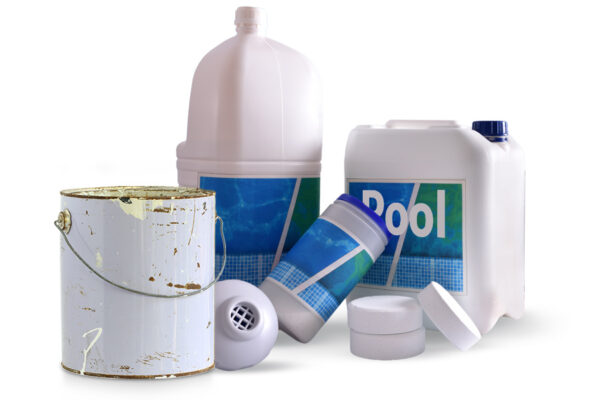
Pool chemicals can ignite and cause a fire if not properly disposed of. Pool chemicals sanitize and balance water in swimming pools. Many are highly corrosive and reactive; the best way to dispose of them is through household hazardous waste (HHW) programs or facilities.

Radioactive materials emit radiation that poses serious health risks to waste handlers and the public. This includes certain smoke detectors, medical devices, and industrial equipment. Low-level radioactive waste is prohibited from disposal in Michigan landfills under Act 451 of 1994. Contact the Michigan Department of Environment, Great Lakes, and Energy (EGLE) or your local health department for proper disposal guidance.

Toxic materials are substances that can cause serious harm to humans, animals, and the environment when improperly discarded. This includes items such as heavy metals, certain industrial products, and other poisonous compounds. Dispose of toxic materials through your local household hazardous waste (HHW) program or facility.

automotive items not accepted in trash

Automotive

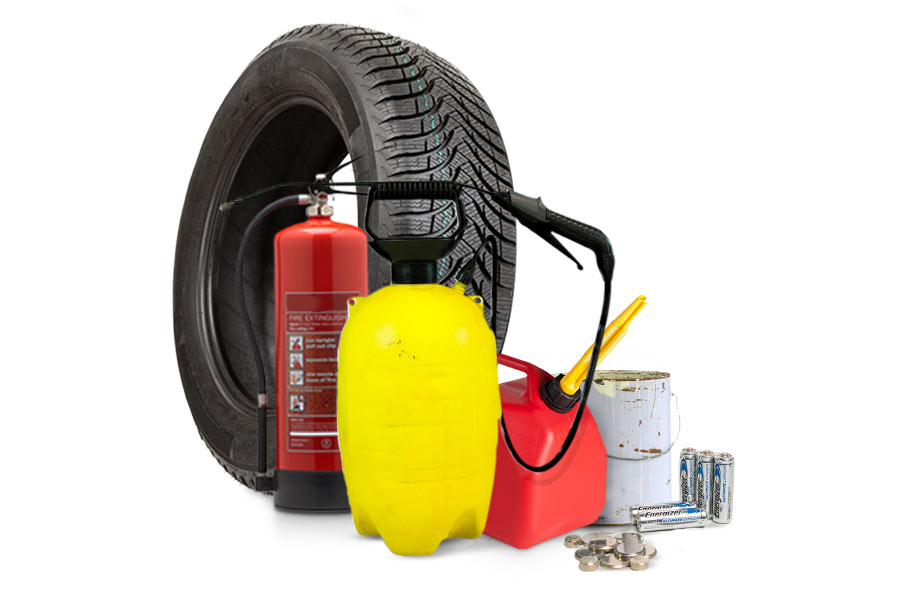
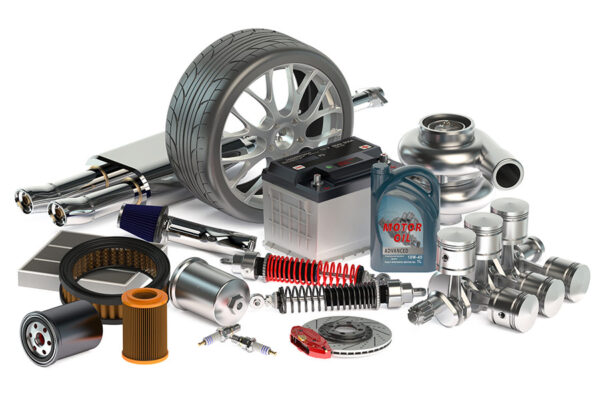
These items are commonly found in garages and vehicles, but contain fluids, metals, and chemicals that are hazardous when improperly discarded. Many of these materials can be recycled or accepted at auto parts stores or scrap yards rather than placed at the curb.
Antifreeze contains levels of dissolved heavy metals that contaminate soil and sediment. It is extremely important not to dump used antifreeze on land, in a ditch, septic system, storm drain, sanitary sewer, and/or dry-well. This causes serious problems with water quality and has a high potential for harming wildlife, humans, and pets. The sweet smell of the main component, Ethylene Glycol, attracts animals; this toxin can kill them in very small doses if ingested.

Loose or large car parts such as bumpers, exhaust systems, and body panels are not accepted in regular trash due to their size and potential for containing hazardous residues like grease, oil, or fuel. Contact your local scrap yard or auto recycler, who will often purchase or accept these materials at no charge.

Car batteries cannot be recycled in curbside recycling programs and cannot be placed in your household garbage. However, car batteries can be recycled when brought back to auto parts stores or some scrap yards.

Engines contain a variety of hazardous fluids and materials including oil, coolant, and fuel residue. They are also too large and heavy for standard trash pickup. Contact a local auto recycler or scrap yard for proper disposal or recycling options.

Gasoline is a flammable liquid; one of the many reasons it is hazardous. Improper disposal leads to water contamination, air pollution, and fire hazard risks. Please do not place gasoline at the curb for pick up. Local village halls and many fire departments are willing to safely dispose of your unwanted gasoline; call your town for details.

Used motor oil is a hazardous material that can contaminate soil and groundwater if improperly disposed of. Never pour motor oil down a drain or on the ground. Many auto parts stores and service stations accept used motor oil for recycling at no cost.

It is illegal to dispose of whole motor vehicle tires in Michigan landfills. Scrap tire sites are an ideal habitat for mosquito breeding and run-off from scrap tire fires can contaminate water. Many tire retailers will accept old tires at the time of purchase. You can also find a list of registered scrap tire recyclers and collection sites at Michigan.gov/ScrapTires or contact your local municipality about tire collection events.

Pressurized & Combustible Containers

These containers hold compressed gas or flammable materials that pose a serious explosion and fire risk when placed in garbage trucks or landfills. Even when they appear empty, residual gas or chemicals can ignite under the heat and pressure of waste equipment, putting drivers and handlers in serious danger.
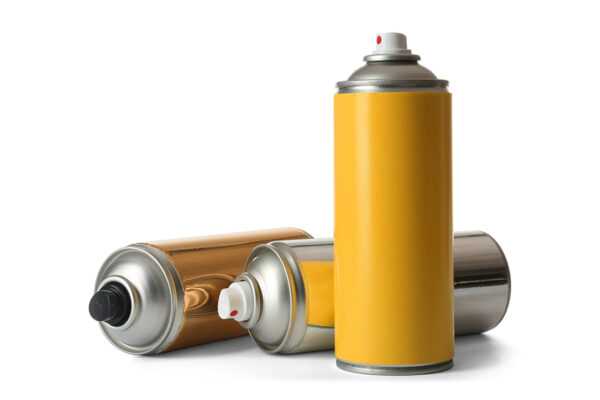
Completely empty aerosol cans may be placed in your curbside recycling. However, aerosol cans that are not completely empty are considered hazardous due to the flammable propellants they contain. A partially full can could explode under pressure or heat in a garbage truck. For cans that still contain product, dispose of them through your local household hazardous waste (HHW) program.

Drums and cylinders contain compressed gas. Properly dispose of these items by contacting your village for programs that will safely remove these products from your home.

Fire extinguishers are pressurized containers and should never be placed in your regular trash. Many local fire departments will accept old or expired extinguishers. Some retailers that sell extinguishers also offer take-back programs. Contact your local village for available options.

Never place propane tanks in your garbage. Not only does it tremendously damage the environment, but it poses an extreme safety hazard to your disposal company drivers. There are several locations who offer trade-in and/or disposal programs including most Walgreens and Ace Hardware locations.

Batteries & Bulbs

Batteries and bulbs contain materials that require special handling to keep out of landfills and waterways. Many of these items can be dropped off at local hardware or electronics stores for proper recycling.
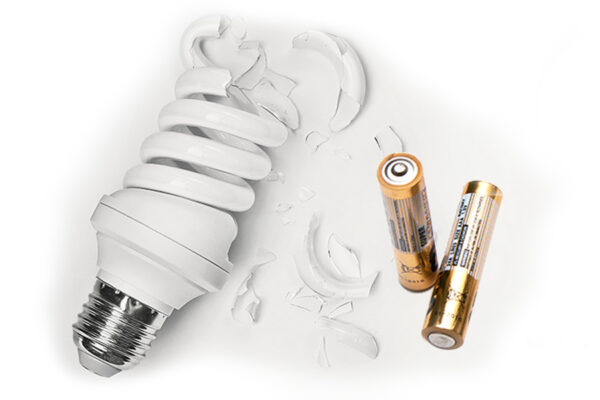
These are your typical household batteries found in items like toys or flashlights. Alkaline batteries no longer are made with mercury and therefore are not considered hazardous. These batteries are allowed in your regular trash containers for disposal in the landfills. However, they should not be placed in your curbside recycle cart. To recycle Alkaline batteries, drop them at your local electronic or hardware store.

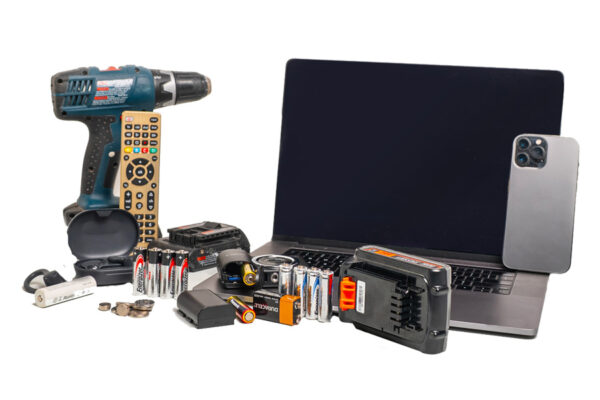
Lithium batteries, rechargeable, or button batteries, should not be placed with your regular garbage or recycling. They will ignite and cause fires when crushed. Check with your local electronics or hardware store for battery recycling programs.

CFL bulbs and other fluorescent bulbs break when thrown into a dumpster or landfill. All components of a fluorescent bulb can be recycled which allows for reuse of glass, metals, and other materials. While CFL bulbs are not part of Arrowaste’s recycling program, there are various other options.  Many local home improvement stores offer bulb recycling programs.

medicine and drugs not allowed in trash

Medical & Organic Waste

These items require separate handling from regular household trash. Improper disposal of medications can harm people and the environment, while organic waste like yard clippings is banned from Michigan landfills under state law.
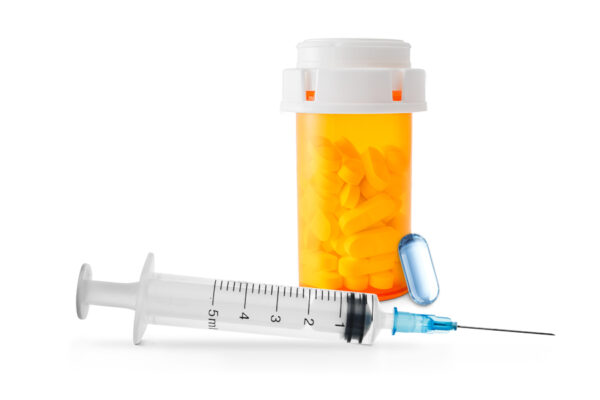
Biomedical waste includes items such as needles, syringes, lancets, and other sharps used for medical purposes at home. These items pose a serious injury and infection risk to waste handlers when placed in regular trash. Never place loose sharps in your garbage. Place them in an approved sharps container and contact your local health department or pharmacy for a drop-off or mail-back disposal program.

Medications are biologically active chemicals. Do not flush medications or place them in the trash, as this can contaminate water supplies and pose risks if accessed by children or pets. Medications should be disposed of through a household take-back program where possible. Search the EGLE interactive map to locate controlled substance, solid medication, and liquid medication collections across Michigan at Michigan.gov/EGLEDrugDisposal.

Michigan banned yard waste from entering landfills in 1995. Yard waste includes grass clippings, yard vegetation, sod without dirt, twigs less than 2 inches in diameter, and leaves. Place yard waste in paper bags or reusable containers for curbside collection during your municipality’s yard waste pickup schedule or compost it at home. For a list of registered composting facilities near you, visit Michigan.gov/EGLECompost.

lithium batteries never go in the trash

Lithium Batteries

Lithium batteries, rechargeable, or button batteries, should not be placed with your regular garbage or recycling. They will ignite and cause fires when crushed. Check with your local electronics or hardware store for battery recycling programs.

Bulk Item Disposal

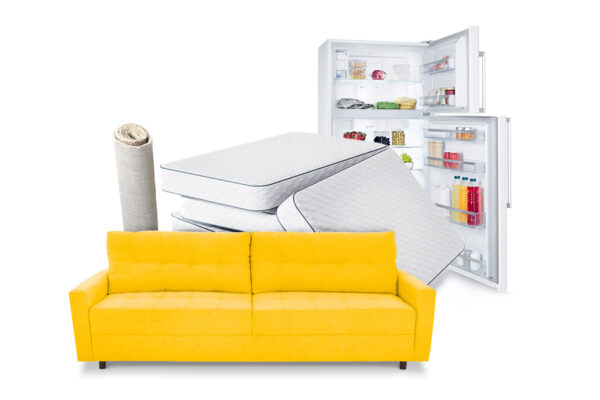
For items that are too large to fit in your curbside trash cart, please schedule a Bulk Item Pickup. A different truck will arrive at the scheduled time to collect your bulk item(s).

Pricing: $60 for first Bulk Item and $20 for any additional items. There is a limited number of items per trip. Payment will be received when pickup is scheduled. Please call for more details.

Bulk Items Include: Mattresses and Box Springs, Furniture, Carpet, Pool Liners, Pool Tables, Hot Tubs, Basketball Hoop, Appliances, Washers and Dryers, Water Heaters, Dishwashers, Stove, Freezers*, and Refrigerators*.

*Items must have refrigerant professionally removed.

To schedule a pick up call our office at (616) 748-1955.
Bulk pick up service is not available in all areas.